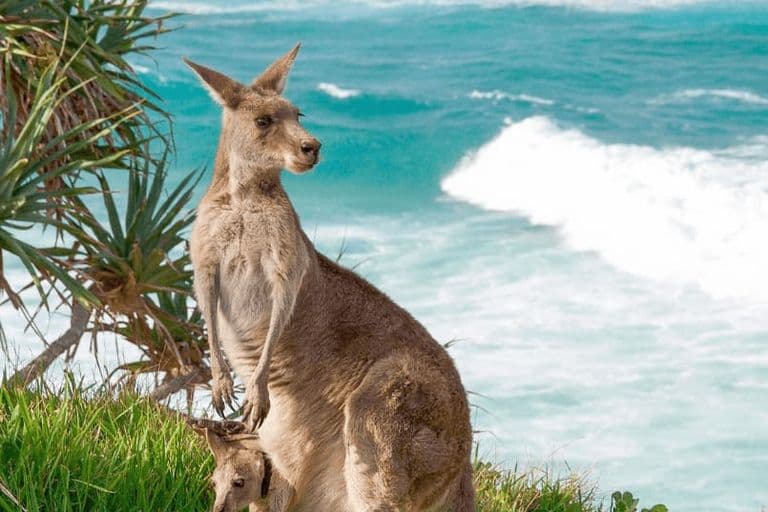
February on Straddie means warm turquoise water, lush green landscapes, and wildlife everywhere you look. Here's why summer is one of the best times to visit — and how to make the most of it.
If you're spending summer in Brisbane and looking for a day trip that feels like a proper escape, North Stradbroke Island should be at the top of your list. Known locally as Straddie, this sand island sits just an hour from the city — but the moment you step off the ferry, it feels like another world entirely.
February is peak summer in Queensland, and while some travellers worry about the heat, the reality is that Straddie in summer is spectacular. The water is at its warmest and clearest, the landscapes are lush from recent rain, and the wildlife is buzzing with activity. With a little planning — or better yet, a local guide — a summer visit to Stradbroke Island is hard to beat.
Queensland summers have a reputation for being hot and humid, and inland Brisbane can certainly feel that way. But Straddie is different. Surrounded by ocean on all sides, the island catches constant sea breezes that take the edge off the heat. Temperatures typically sit between 25–30°C in February — warm enough for comfortable swimming, cool enough for walking if you time it right.
The wet season also transforms the island's vegetation. Where winter Straddie has a golden, dry coastal palette, summer Straddie is vivid green — the wildflowers are out, the paperbark wetlands are full, and the whole island feels alive. Water visibility is excellent too, thanks to the warm East Australian Current pushing clean oceanic water close to shore.
Summer is when Straddie's beaches are at their absolute best. The water temperature hovers around 25–27°C — warm enough to stay in for hours without a wetsuit. The three main beaches each offer something different:

The North Gorge Walk at Point Lookout is one of the most spectacular coastal walks in South East Queensland — and summer is arguably the best time to do it. The track hugs the clifftops with panoramic views of the Pacific Ocean, and in February you'll often spot dolphins riding the waves below, sea turtles gliding through the shallows, and manta rays cruising offshore.
The walk is short (about 20 minutes), well-maintained, and has shaded sections through coastal banksia forest. The trick in summer is to do it early in the morning when the light is soft and the air is cool — which is exactly what our guided tours are timed to do.

Whale season (June–November) gets the headlines, but summer has its own wildlife spectacle. Without the whale-watching crowds, you'll find the headlands quieter and the wildlife just as impressive:
Let's be straight: February in Queensland is hot. But Straddie handles it better than most places, and with some basic preparation, you'll barely notice. Here's how to stay comfortable:
February is peak season in South East Queensland. The ferries to Straddie get busy, parking at Point Lookout fills up fast, and if you're driving yourself, you'll spend a chunk of your day dealing with logistics instead of enjoying the island.
A guided day tour from Brisbane takes all of that off your plate. We handle the ferry bookings, the driving, and the timing — so your only job is to enjoy the beaches, the wildlife, and the scenery. Our guides also adapt the itinerary to conditions: if one beach is too windy, we'll take you to a sheltered cove instead. If the morning is particularly clear, we'll prioritise the headland walk for the best visibility.
What you get with a guided summer visit:
Both seasons are genuinely excellent — Straddie doesn't really have a bad time to visit. But they offer different experiences:
Summer (December–February) brings warm swimming water, lush green vegetation, active marine life (dolphins, turtles, rays), and longer daylight hours. The trade-off is higher humidity and occasional afternoon storms — though these usually pass quickly and leave behind stunning sunsets.
Winter (June–August) is whale season — the main event for many visitors. The air is cooler and drier, making hiking more comfortable. Water temperatures drop to around 20°C, which is still swimmable but brisk. The island has a quieter, more contemplative feel.
If swimming and marine wildlife are your priorities, summer wins. If whale watching is your goal, plan for winter. Either way, you won't be disappointed.
Without question. Summer is when North Stradbroke Island is at its most vibrant — the water is warm, the beaches are stunning, the wildlife is active, and the whole island hums with energy. Yes, it's hot. But you're on an island surrounded by some of the clearest water in South East Queensland. The ocean is your air conditioning.
If you're visiting Brisbane in February and want a day trip that actually feels like an adventure — not just another city attraction — Straddie is the answer. Come for the beaches, stay for the dolphins, and let a local guide show you why this island is one of Australia's best-kept secrets.
Stradbroke Island Tours
Local guides sharing insider knowledge about North Stradbroke Island since 2020.
Book your eco-certified day tour from Brisbane to North Stradbroke Island.
Book Now